<회색지대>는 잃어버린 개를 찾아 경비원에게 쫓기는 꿈과 그에 대한 해석에서 출발한 작업이다. 꿈의 내용을 현실의 사건과 연결하고 삶의 방향을 판단하려는 해몽의 행위에 주목하며, 꿈과 현실이라는 이분법으로 명확하게 구분할 수 없는 중간 영역을 탐구한다. 영상과 사진, 텍스트로 수집된 꿈의 이미지와 해석은 축소 인체 모형을 활용해 재구성되고, 웹사이트 안에서 서로 연결되는 하나의 아카이브를 형성한다. 이를 통해 해몽을 단순히 꿈에 의미를 부여하는 행위가 아니라, 불확실한 경험을 현실의 질서 안에서 이해하고 실천 가능한 의미로 전환하는 과정으로 제시한다.
<Gray Area> began with a dream of being chased by a security guard while searching for a lost dog, as well as the interpretation that followed it. Focusing on the practice of connecting dreams to real-life events and using their interpretations to determine the direction of one’s life, the work explores an intermediate territory that cannot be clearly divided into the binary categories of dream and reality. Dream images and interpretations collected through video, photography, and text are reconstructed using miniature human figures and connected within a website to form an evolving archive. Dream interpretation is presented not simply as an act of assigning meaning to dreams, but as a process of understanding uncertain experiences within the order of reality and transforming them into meanings that can be put into practice.
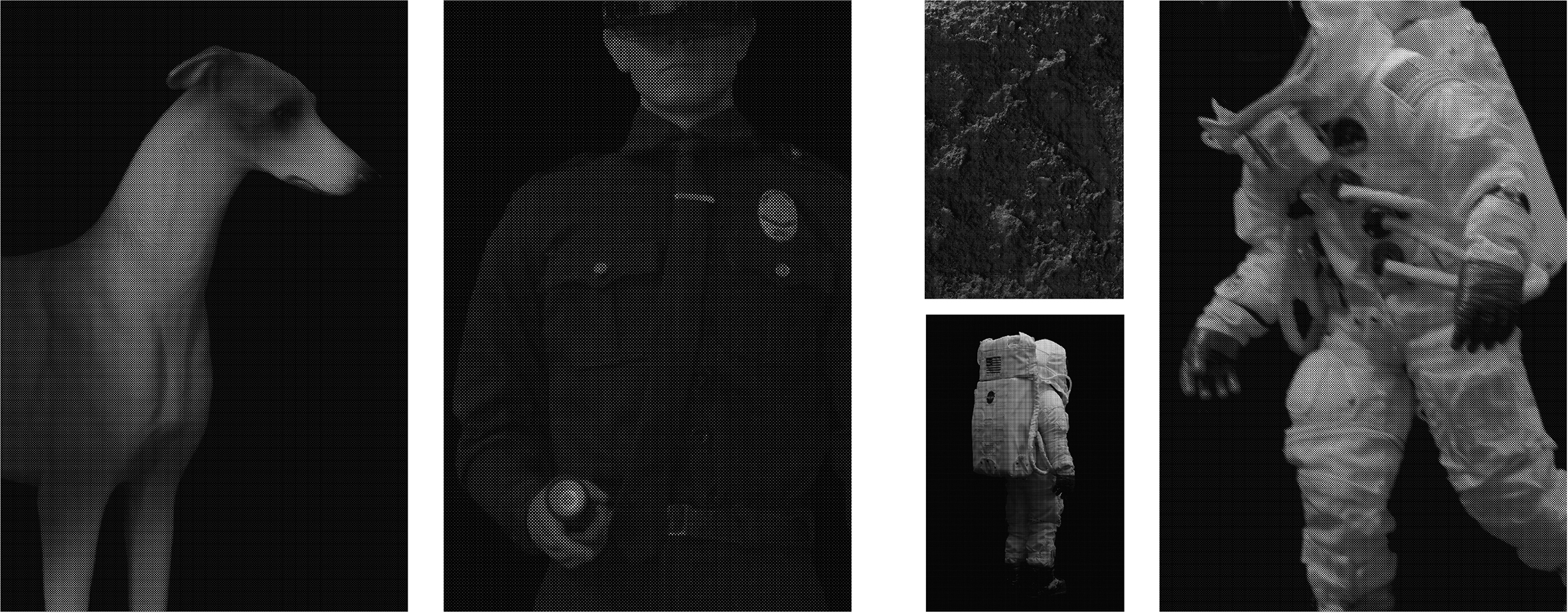
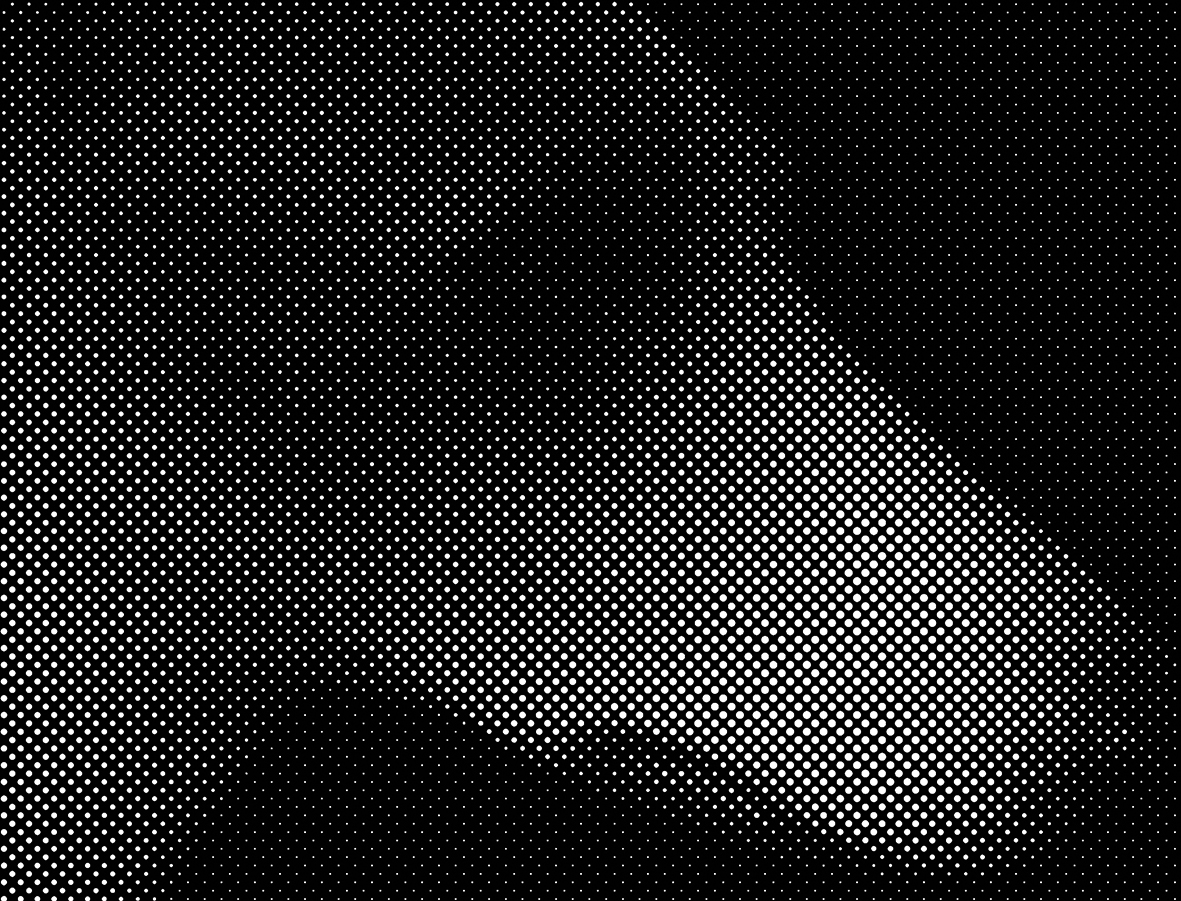
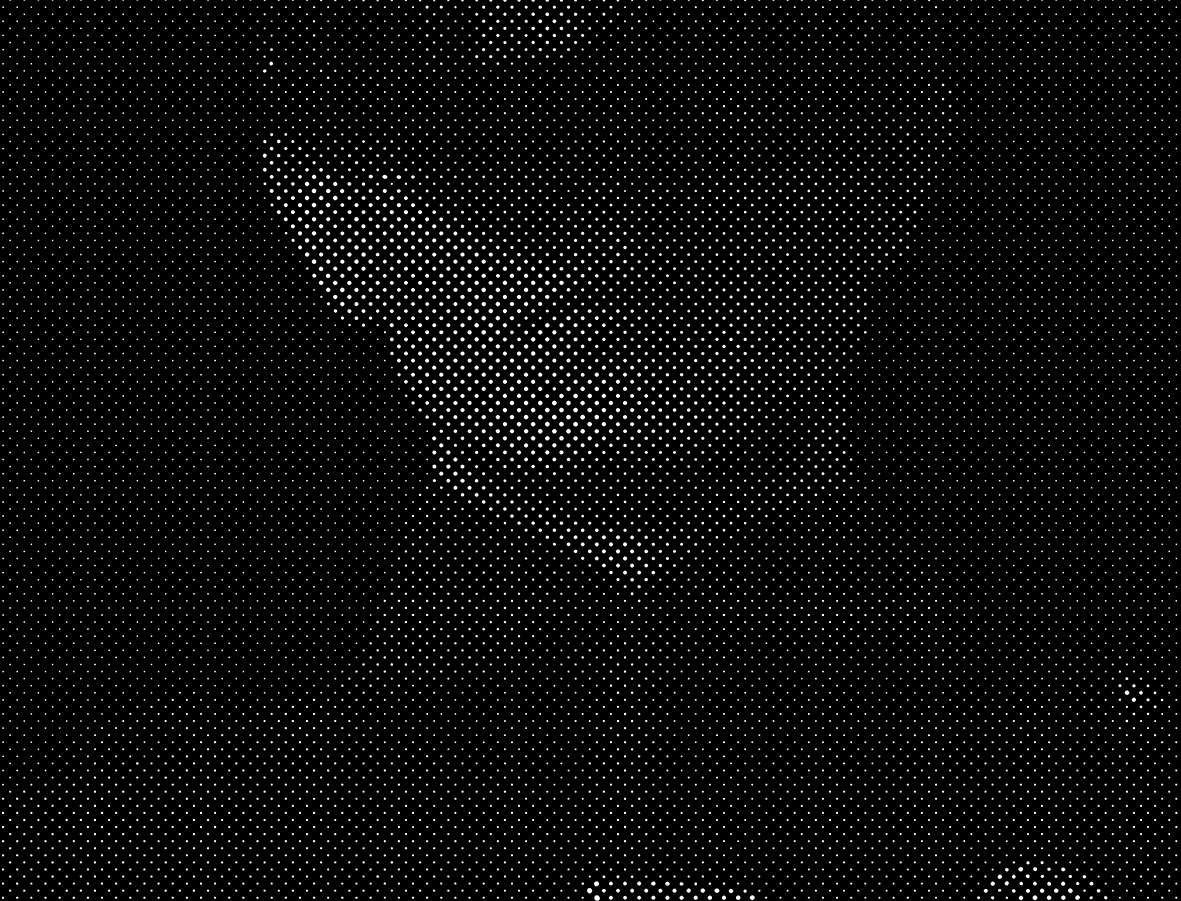
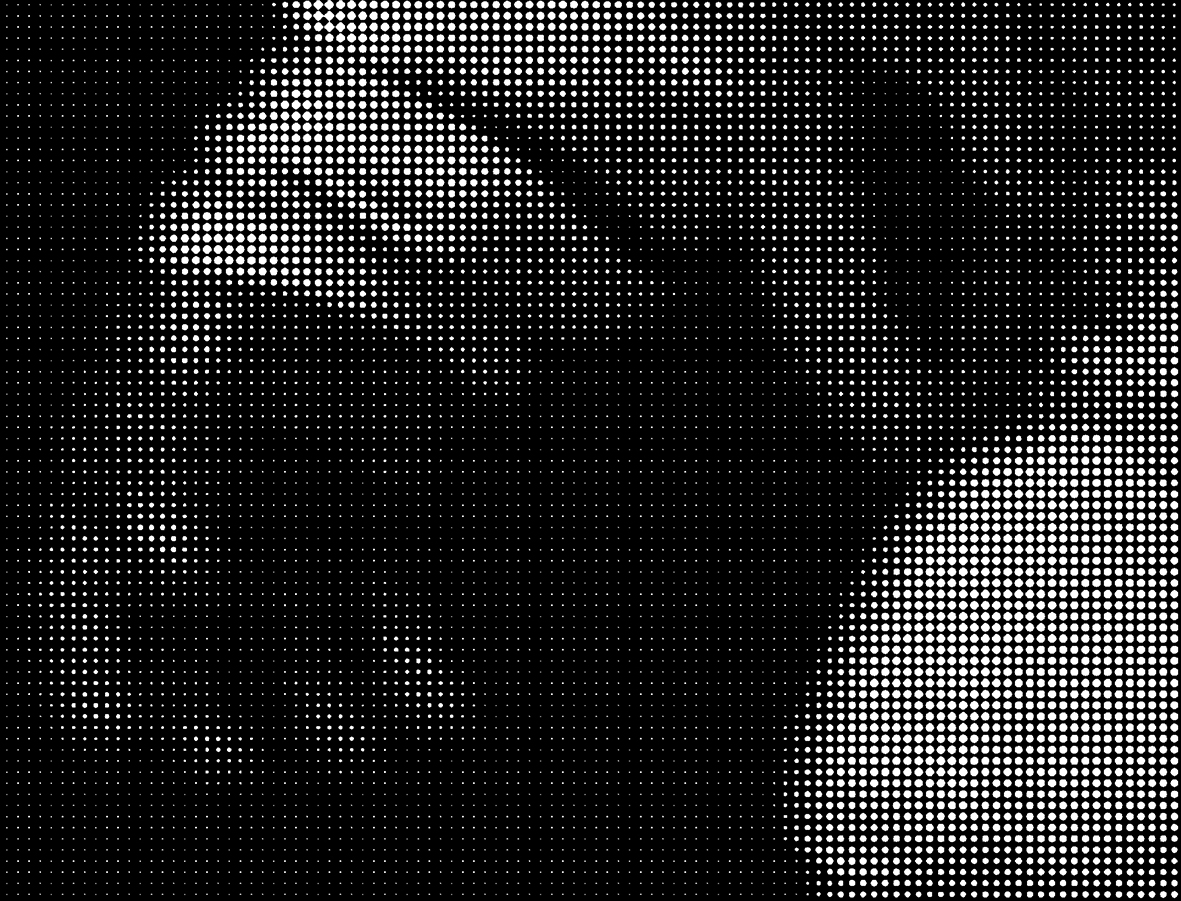
<회색지대: 망점>은 수집된 해몽을 바탕으로 꿈과 현실이 하나의 이미지로 인식되는 조건을 탐구한다. 작업에 사용된 망점 이미지는 중간 계조 없이 흑백의 점으로만 구성된다. 가까운 거리에서는 분절된 점과 추상적인 패턴으로 보이지만, 관람자가 이미지에서 멀어질수록 점들은 시각적으로 결합하며 하나의 구체적인 형상을 만들어낸다. 이처럼 거리에 따라 이미지의 인식이 변화하는 구조는 분리되어 있던 꿈의 파편이 해석을 통해 현실의 의미로 구성되는 과정을 시각화한다. 작업은 꿈과 현실이 고정된 경계로 구분되는 것이 아니라, 바라보는 위치와 해석의 방식에 따라 끊임없이 재구성되는 관계임을 드러낸다.
<Gray Area: Halftone Dot> explores the perceptual conditions through which dreams and reality are recognized as a single image, based on collected dream interpretations. The halftone images consist exclusively of black and white dots without intermediate tonal gradations. From a close distance, they appear as fragmented dots and abstract patterns; as the viewer moves farther away, the dots visually converge to form a recognizable image. This distance-dependent shift in perception visualizes how fragmented elements of dreams are transformed through interpretation into meanings within reality. The work suggests that dreams and reality are not separated by a fixed boundary, but exist in a relationship continuously reconstructed according to the viewer’s position and mode of interpretation.